The Enigma of Tchaikovsky’s Pathétique: Uncovering the Hidden Program
The search for the underlying meaning of works by composers of the past is difficult without the help of composers themselves. Notations in the score, correspondence or even second or third-hand reports of composer’s statements can be invaluable. But what happens when a composer purposely hides the underlying meaning of a work?
In the case of Elgar’s “Enigma Variations”, Sir Edward Elgar proclaimed that the unifying force behind the entire work was an underlying theme that never appears in the work, which he refused to disclose to his dying day. The resulting mystery surrounding the work not only increased its popularity, but has driven an intense ongoing debate. In the case of Mozart’s “Requiem”, the circumstances around the commissioning of the work was kept secret as a requirement by the commissioner (Count Walsegg) who wanted to pass it off as his own. Mozart died after only barely getting started, requiring other composers to finish the work to complete the commission and allow his widow Constanze to be paid. After Mozart’s death, Constanze widened the deception, first by providing assurances that Mozart completed the Requiem himself to receive payment for the project, and then publicly promoting the notion that Mozart completed his Requiem in its entirety for himself on his deathbed after having been poisoned—a narrative that increased the popularity of the Requiem and allowed Constanze to claim ownership and secure income from publication and performance.
Mystery and intrigue sells, especially when the death of the composer is involved. It is also clear that when secrecy around the meaning of a work is permitted to linger, the void is filled by an imaginative public with, shall we say, alternative facts.
Tchaikovsky’s “Pathétique” Symphony brings a perfect storm of mystery and intrigue—combining aspects of both the “Enigma Variations” and “Requiem” deceptions. Similar to Elgar, Tchaikovsky publicly proclaimed an underlying program was embedded in the symphony, but refused to disclose it. And similar to Mozart, the proximity of Tchaikovsky’s death to the work’s completion—a death rumored to be a suicide—proved to be a catalyst for colorful theories by an adoring and imaginative public, including “Symphony as a Suicide Note” and “Symphony as a Lament of Forbidden Love.”
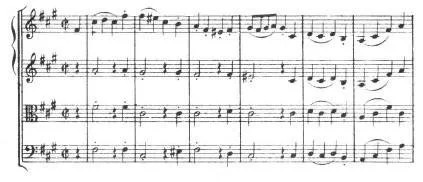
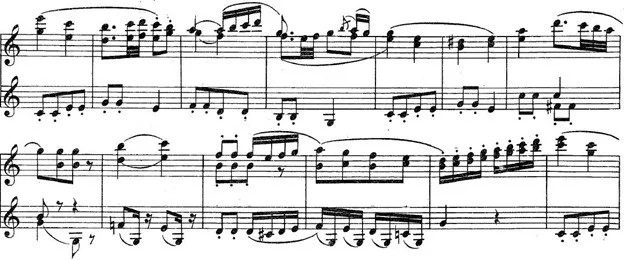
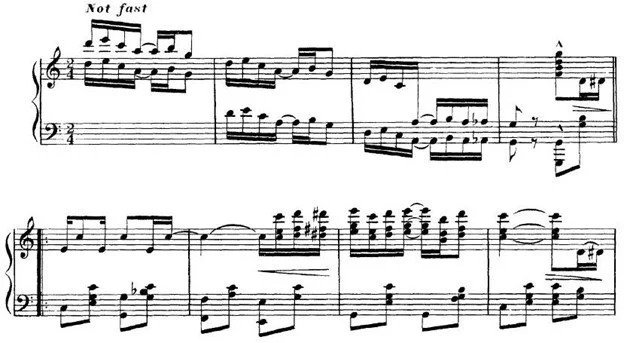
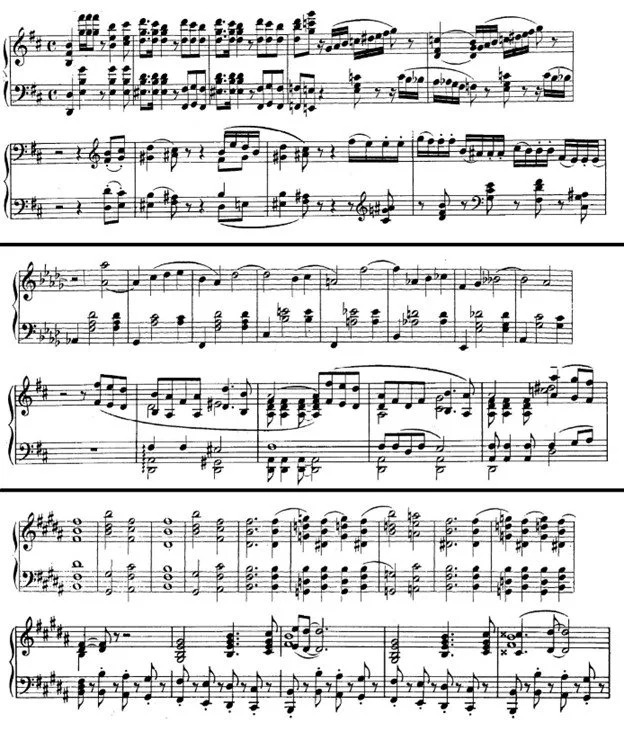
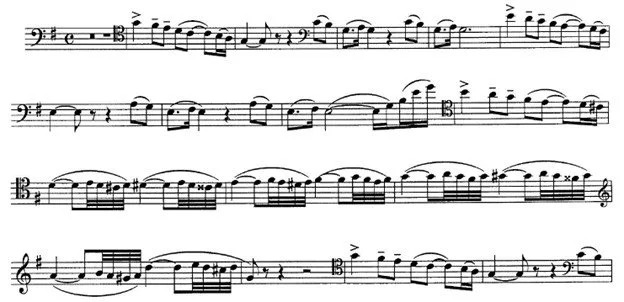
When experiencing the “Pathétique”, alongside the blinding extremes of energy, emotion and passion, the work feels stronger and more effective than his earlier works. Tchaikovsky’s other “mature” symphonies—the Fourth and the Fifth—while exciting, seem to struggle with balancing what Tchaikovsky wants to say with how he thinks he is expected to say it. The “Pathétique” makes direct references to these symphonies, but incorporates them through a more confident voice that is more at peace with Tchaikovsky’s vision.
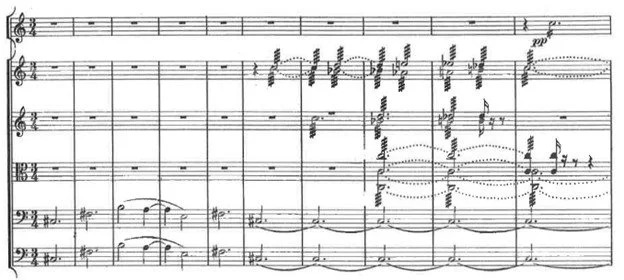
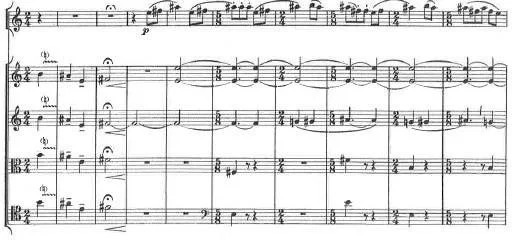
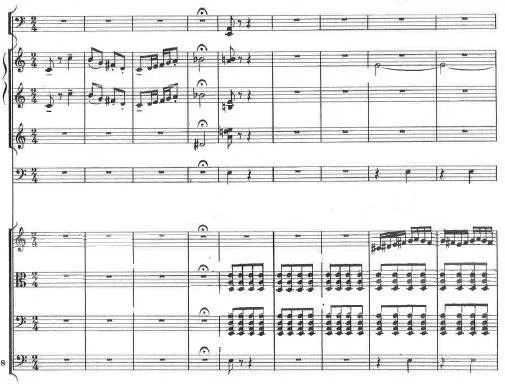
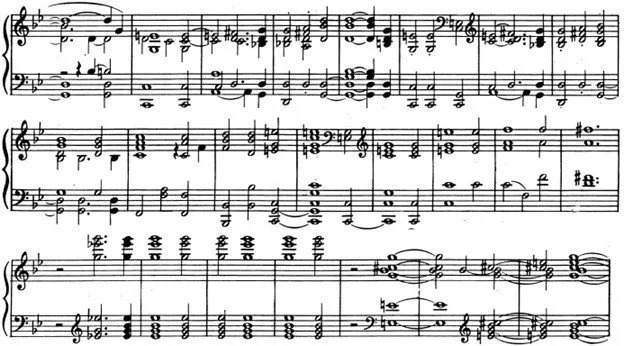
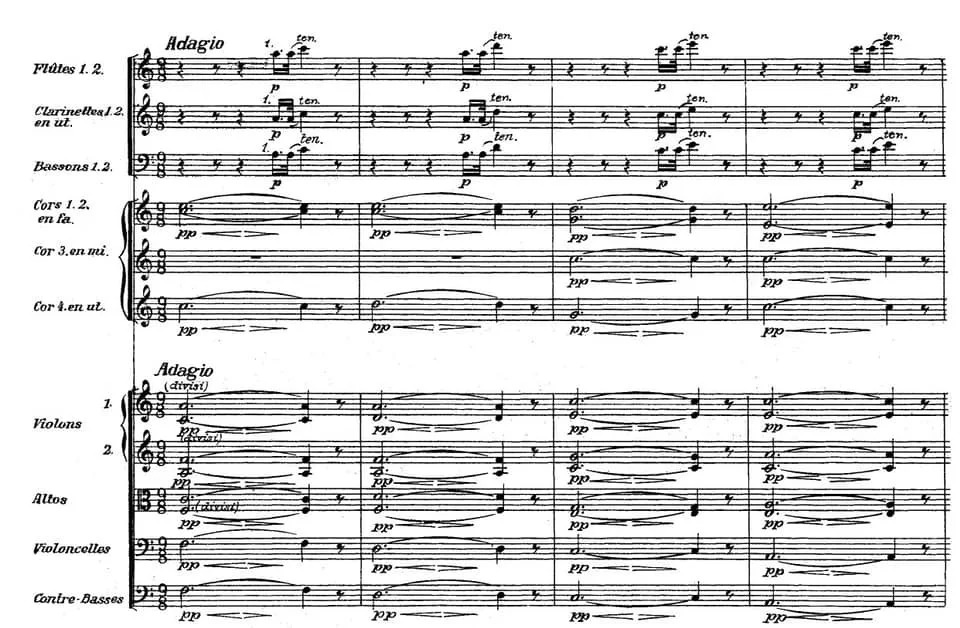
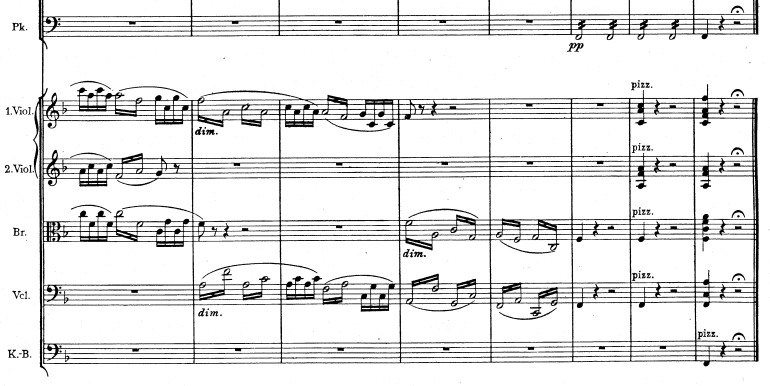
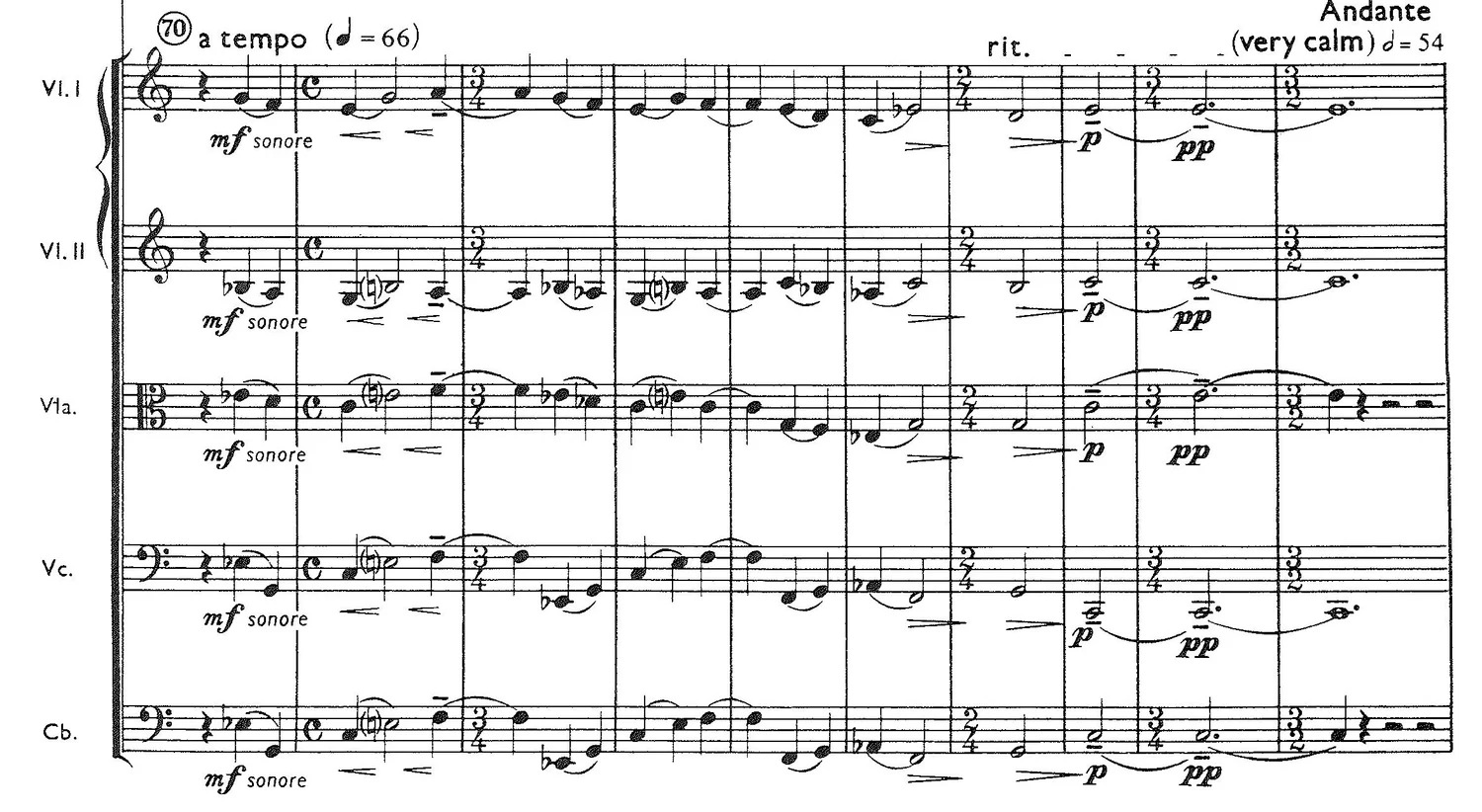
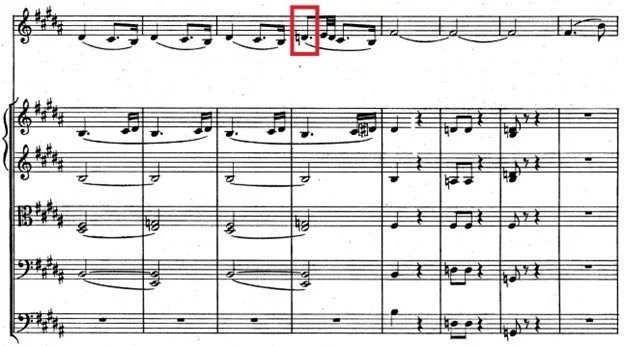
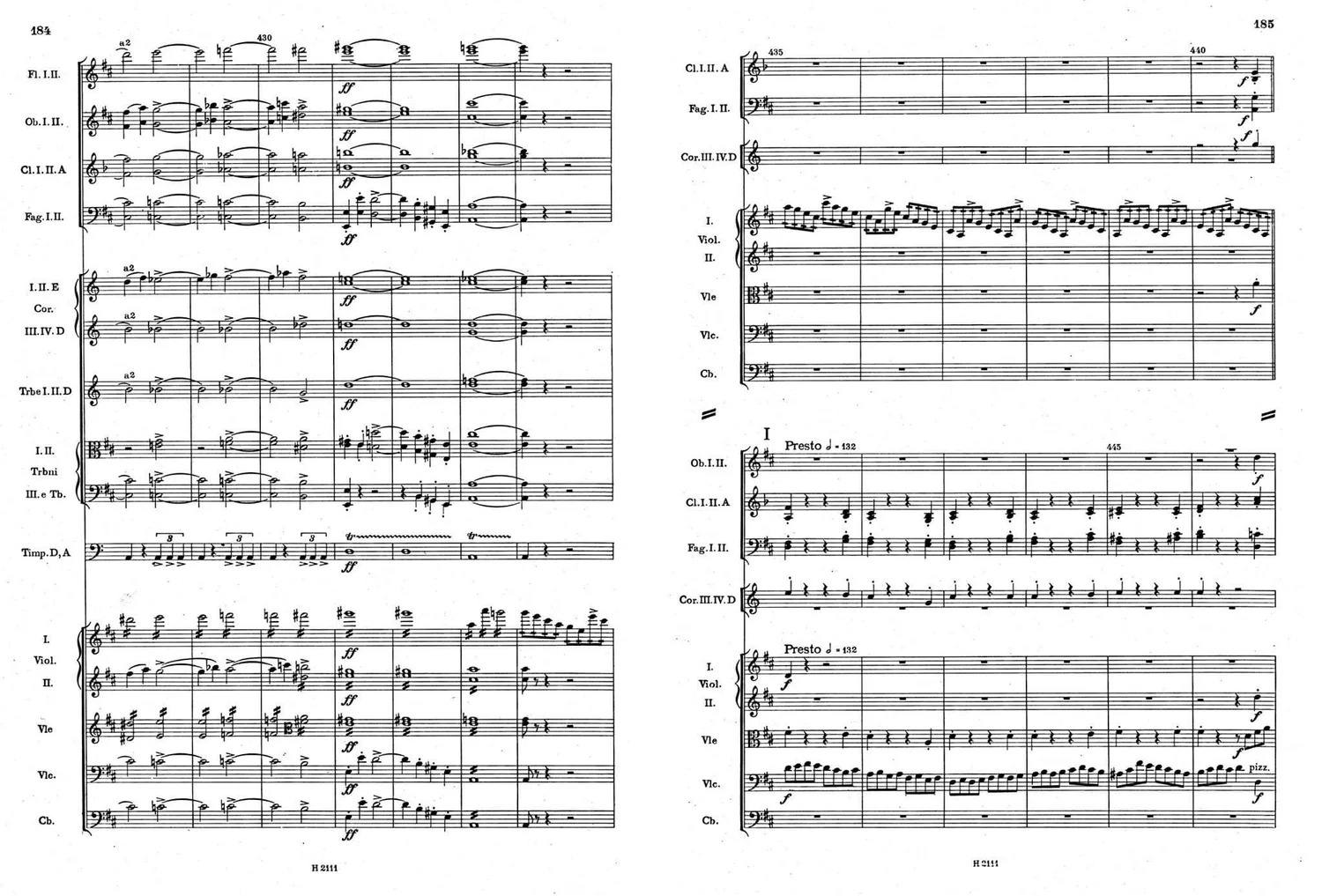
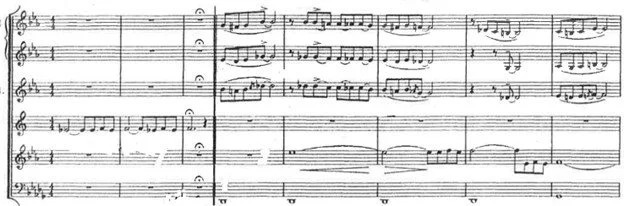
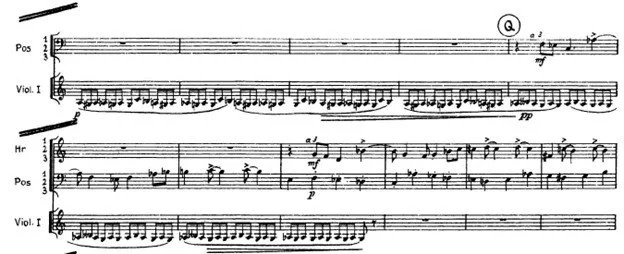
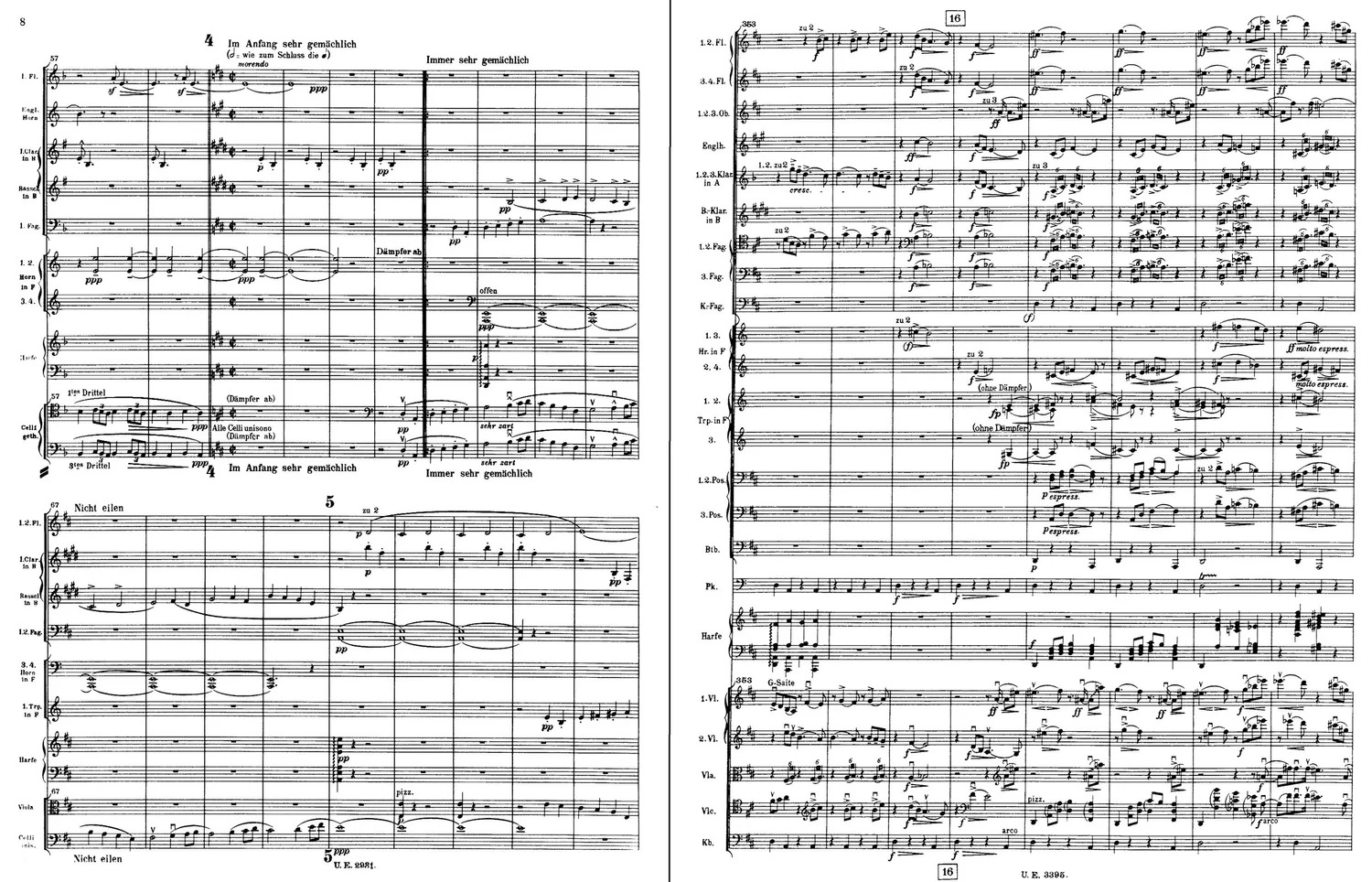
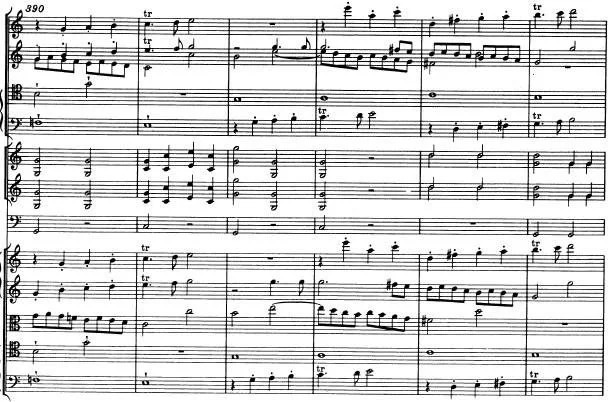
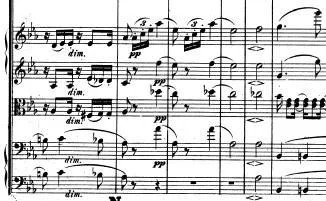
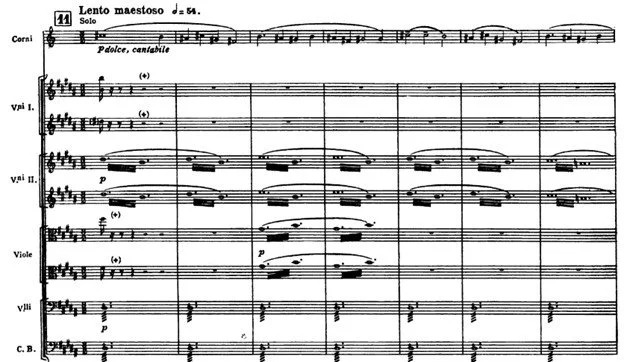
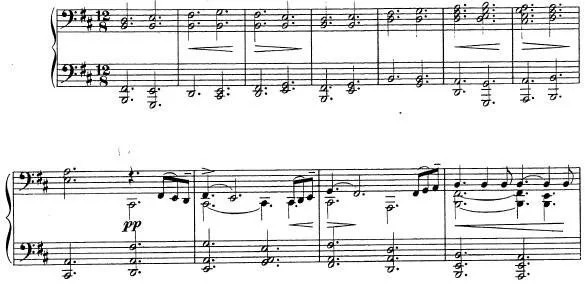
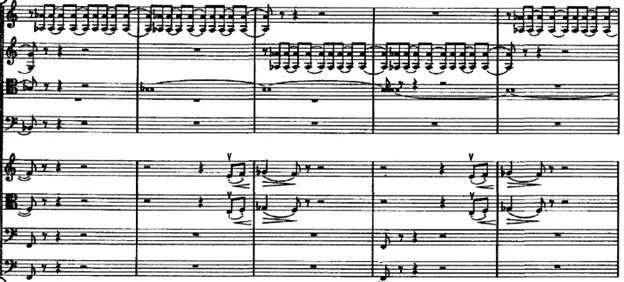
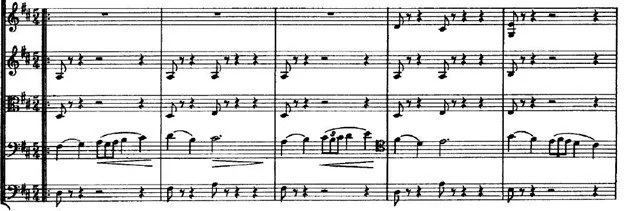
A clue to the hidden program for the “Pathétique” can be found in the attached excerpt from the middle of the first movement. The horn section plays a rhythm reminiscent of Strauss Death and Transfiguration—a tone poem that depicts a dying man remembering his life, from his childhood through adulthood, and then, after dying, achieving heavenly transfiguration.
As the “Pathétique” progresses phrase-by-phrase through the first three movements, Tchaikovsky recalls his life through his music, reinterpreting his music without the boundaries he felt so strongly. We experience what Tchaikovsky would have written had he wrote what he wanted. When we reach the fourth movement, we meet Tchaikovsky in the present, at the end of his life. We feel the anguish and regret for not having said what he wanted to say, the elation he felt writing free of limits, and finally, the elation turning to acceptance and then to anguish with the realization he has run out of time to say more in this unrestricted voice. The fourth movement IS the symphony---where entire program is revealed, and Tchaikovsky’s true voice is heard
Hear David’s recording